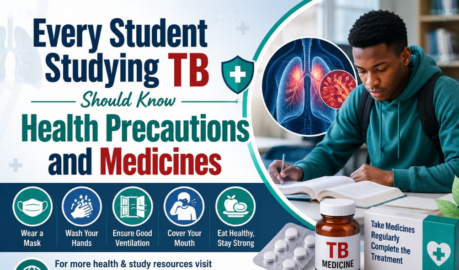
Tuberculosis (TB) remains one of the world’s most important infectious diseases and continues to be a major public health concern in South Africa. Students who plan to study medicine, nursing, pharmacy, public health, biomedical sciences, environmental health, or any other health-related course should have a strong understanding of tuberculosis before entering clinical settings. Since healthcare workers are more likely to come into contact with patients who have TB, learning about prevention, diagnosis, treatment, and infection control is essential.
Understanding tuberculosis not only helps protect healthcare professionals but also enables them to provide better care for patients while reducing the spread of the disease. This article discusses important health precautions, medicines used to treat TB, and key information that every health sciences student should know.
Understanding Tuberculosis
Tuberculosis is an infectious disease caused by the bacterium Mycobacterium tuberculosis. It most commonly affects the lungs (pulmonary TB), but it can also affect other parts of the body such as the brain, spine, kidneys, lymph nodes, bones, and other organs. TB spreads through the air when a person with infectious pulmonary TB coughs, sneezes, sings, or speaks, releasing tiny droplets that may be inhaled by others.
Not everyone infected becomes ill. Some people have latent TB infection, meaning the bacteria remain inactive in the body and do not cause symptoms or spread to others. Others develop active TB disease, which causes symptoms and can be transmitted.
Why TB Is Important in South Africa
South Africa has one of the highest burdens of tuberculosis globally. The disease is closely linked to factors such as overcrowding, poverty, HIV infection, malnutrition, and limited access to healthcare in some communities. Because of this, students entering health professions are likely to encounter TB patients during clinical training and future employment.
Understanding infection prevention and control measures is therefore an essential part of healthcare education.
Common Symptoms of Tuberculosis
Recognising the symptoms of TB is important for early diagnosis and treatment. Common signs and symptoms include:
- A cough lasting two weeks or longer.
- Chest pain.
- Coughing up sputum or blood.
- Fever.
- Night sweats.
- Unexplained weight loss.
- Loss of appetite.
- Fatigue or weakness.
Some people may have mild symptoms at first, while others may become seriously ill if treatment is delayed.
How TB Spreads
TB bacteria are spread through the air and not through casual contact such as shaking hands, sharing utensils, or touching surfaces. Infection usually occurs after prolonged exposure to someone with untreated infectious pulmonary TB, especially in enclosed spaces with poor ventilation.
Health sciences students should understand that proper infection control measures greatly reduce the risk of transmission.
Essential Health Precautions for Students
Students entering hospitals, clinics, laboratories, and community health settings should always follow infection prevention guidelines.
Maintain Good Hand Hygiene
Although TB is mainly airborne, hand hygiene remains one of the most important infection prevention practices.
Students should:
- Wash hands with soap and water when visibly soiled.
- Use alcohol-based hand rub when appropriate.
- Clean hands before and after patient contact.
- Avoid touching the face with unclean hands.
Consistent hand hygiene helps prevent the spread of many infectious diseases.
Wear Appropriate Personal Protective Equipment (PPE)
Personal protective equipment helps reduce exposure to infectious diseases.
Depending on the situation, PPE may include:
- Medical masks.
- Respirators (such as N95 or equivalent where required).
- Gloves.
- Protective gowns.
- Eye protection when indicated.
Healthcare facilities provide guidance on which equipment is appropriate for different clinical environments.
Improve Ventilation
Good ventilation reduces the concentration of airborne bacteria indoors.
Whenever possible:
- Open windows.
- Increase natural airflow.
- Use well-ventilated consultation rooms.
- Follow facility ventilation policies.
Healthcare facilities may also use specialised ventilation systems in high-risk areas.
Follow Respiratory Hygiene
Patients with respiratory symptoms should be encouraged to cover their mouths and noses when coughing or sneezing.
Healthcare workers should also:
- Wear appropriate respiratory protection where indicated.
- Dispose of tissues safely.
- Perform hand hygiene after respiratory secretions are handled.
TB Screening for Healthcare Students
Many universities and healthcare institutions require students entering clinical placements to undergo health screening.
Depending on institutional policies, this may include:
- Medical history assessment.
- TB symptom screening.
- Chest X-ray when clinically indicated.
- TB infection testing where appropriate.
Early identification of infection helps protect both students and patients.
Vaccination
In South Africa, newborn babies routinely receive the Bacillus Calmette-Guérin (BCG) vaccine. While the BCG vaccine helps protect young children against severe forms of TB, it does not completely prevent pulmonary TB in adults.
Students should understand the role and limitations of vaccination within TB prevention programmes.
Diagnosing Tuberculosis
Several tests are used to diagnose TB.
Common investigations include:
Sputum Testing
Patients may provide sputum samples that are examined for the presence of TB bacteria using molecular tests and laboratory analysis.
Chest X-ray
Chest imaging helps identify changes in the lungs that may suggest TB.
Laboratory Culture
Culturing TB bacteria allows laboratories to confirm infection and assess which medicines are likely to be effective.
Drug Resistance Testing
Some TB bacteria are resistant to certain medicines. Drug susceptibility testing helps healthcare professionals select the most appropriate treatment.
Medicines Used to Treat Drug-Susceptible TB
The standard treatment for drug-susceptible tuberculosis usually involves a combination of antibiotics taken for several months.
Common first-line anti-TB medicines include:
Isoniazid
Isoniazid is one of the core medicines used in TB treatment. It works by preventing the bacteria from producing components needed for their cell wall.
Rifampicin
Rifampicin is another key medicine that kills actively growing TB bacteria and is an essential part of standard treatment regimens.
Pyrazinamide
Pyrazinamide is particularly useful during the early intensive phase of treatment because it helps eliminate bacteria that survive in acidic environments within the body.
Ethambutol
Ethambutol helps prevent bacteria from developing resistance when used together with other anti-TB medicines.
These medicines are almost always used in combination rather than individually because combination therapy reduces the risk of treatment failure and drug resistance.
Drug-Resistant Tuberculosis
Drug-resistant TB occurs when the bacteria no longer respond to one or more standard medicines.
Examples include:
- Rifampicin-resistant TB.
- Multidrug-resistant TB (MDR-TB).
- Extensively drug-resistant TB (XDR-TB).
Treatment for drug-resistant TB usually requires different combinations of medicines and may continue for much longer than standard treatment.
Students should understand that treatment plans for drug-resistant TB are determined by qualified healthcare professionals based on laboratory results and national treatment guidelines.
Importance of Completing Treatment
One of the most important messages in TB management is the importance of completing the full course of prescribed medication.
Stopping treatment too early can:
- Cause treatment failure.
- Allow the disease to return.
- Increase the risk of drug-resistant TB.
- Increase transmission to others.
Healthcare professionals play an important role in educating patients about adherence to treatment.
Possible Side Effects of TB Medicines
Like many medicines, anti-TB drugs can cause side effects. These vary depending on the medicine and the individual patient.
Possible side effects may include:
- Nausea.
- Vomiting.
- Loss of appetite.
- Skin rash.
- Joint pain.
- Changes in vision (with certain medicines).
- Liver-related problems.
Patients should report unusual symptoms to their healthcare provider promptly. Students should never advise patients to stop medication without professional medical guidance.
Nutrition and TB Recovery
Good nutrition supports recovery during TB treatment.
Patients are often encouraged to maintain a balanced diet that includes:
- Fruits.
- Vegetables.
- Whole grains.
- Lean protein.
- Adequate fluids.
Good nutrition supports the immune system and overall health, although it does not replace medical treatment.
TB and HIV
In South Africa, TB and HIV frequently occur together because HIV weakens the immune system and increases the risk of developing active TB.
Healthcare students should understand the importance of:
- HIV testing where appropriate.
- Integrated TB and HIV services.
- Preventive care.
- Coordinated treatment under professional supervision.
Managing both conditions effectively improves health outcomes.
Infection Prevention During Clinical Training
Students should always follow their institution’s infection prevention policies.
Important practices include:
- Attending infection control training.
- Using appropriate PPE.
- Following isolation procedures.
- Reporting accidental exposures.
- Participating in occupational health programmes.
- Following clinical supervision.
These measures protect students, healthcare workers, and patients alike.
Mental Health and Compassionate Care
TB can have emotional, social, and financial effects on patients. Some individuals experience stigma, anxiety, or depression because of their diagnosis.
Healthcare professionals should:
- Treat patients with dignity and respect.
- Maintain confidentiality.
- Encourage treatment adherence.
- Provide clear health education.
- Offer emotional support and refer patients for additional services when needed.
Compassionate care improves trust and can help patients complete treatment successfully.
Ethical Responsibilities of Health Students
Students entering health professions have important ethical responsibilities.
These include:
- Respecting patient confidentiality.
- Following infection control procedures.
- Practising within their level of training.
- Seeking supervision when uncertain.
- Using medicines responsibly.
- Providing accurate health information.
- Treating every patient without discrimination.
Professional conduct is just as important as clinical knowledge.
FOR FURTHER ASSISTANCE: FILL THE FORM HERE
Knowing how TB spreads, recognising symptoms early, following infection prevention measures, and understanding the medicines used to treat the disease are essential skills for future healthcare professionals. At the same time, students should appreciate the importance of compassionate, ethical, and evidence-based care. By combining sound clinical knowledge with good infection control practices and respect for patients, future healthcare workers can contribute meaningfully to reducing the impact of tuberculosis and improving the health of their communities.